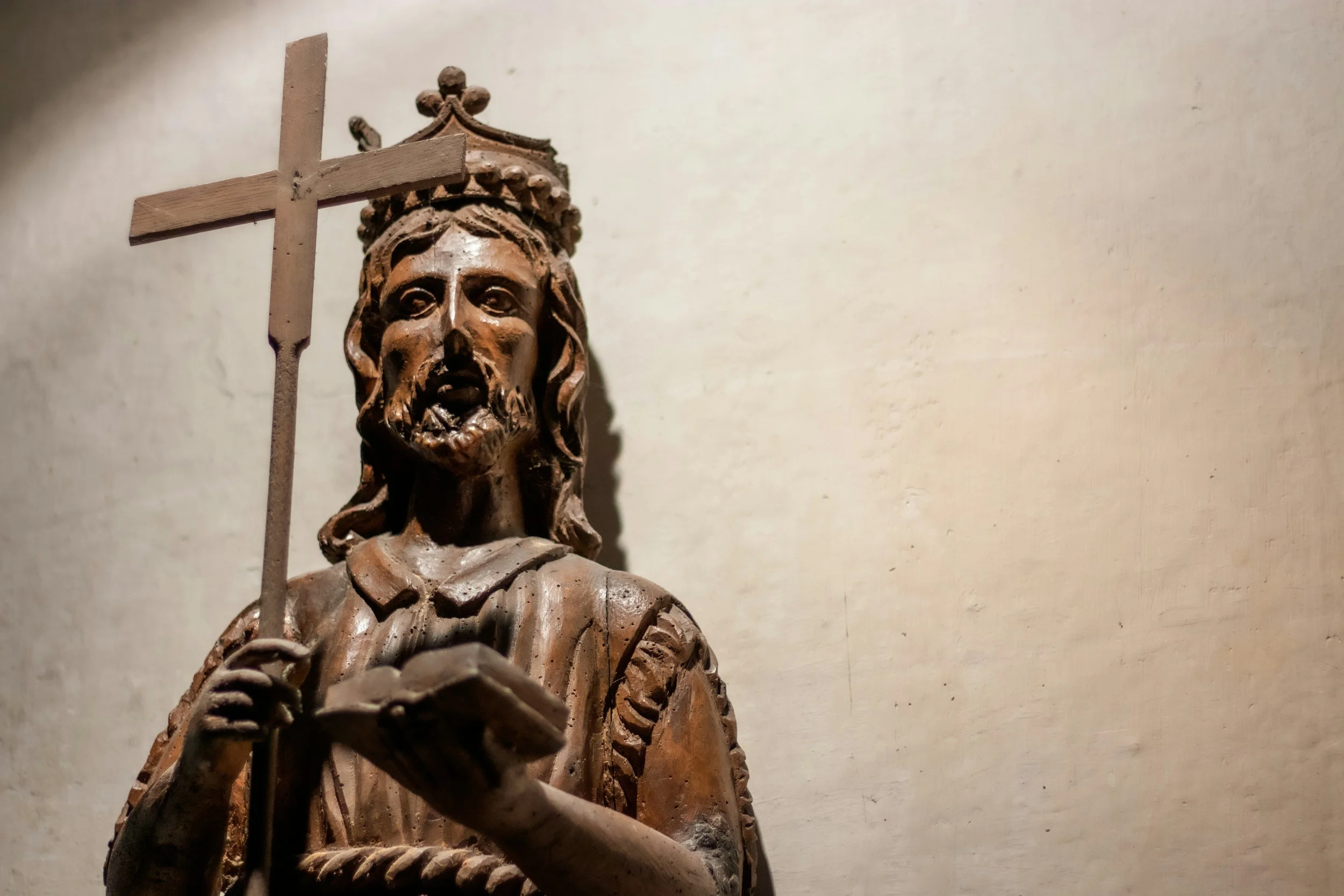
What’s With the Statues? Catholic imagery and why it still matters today.
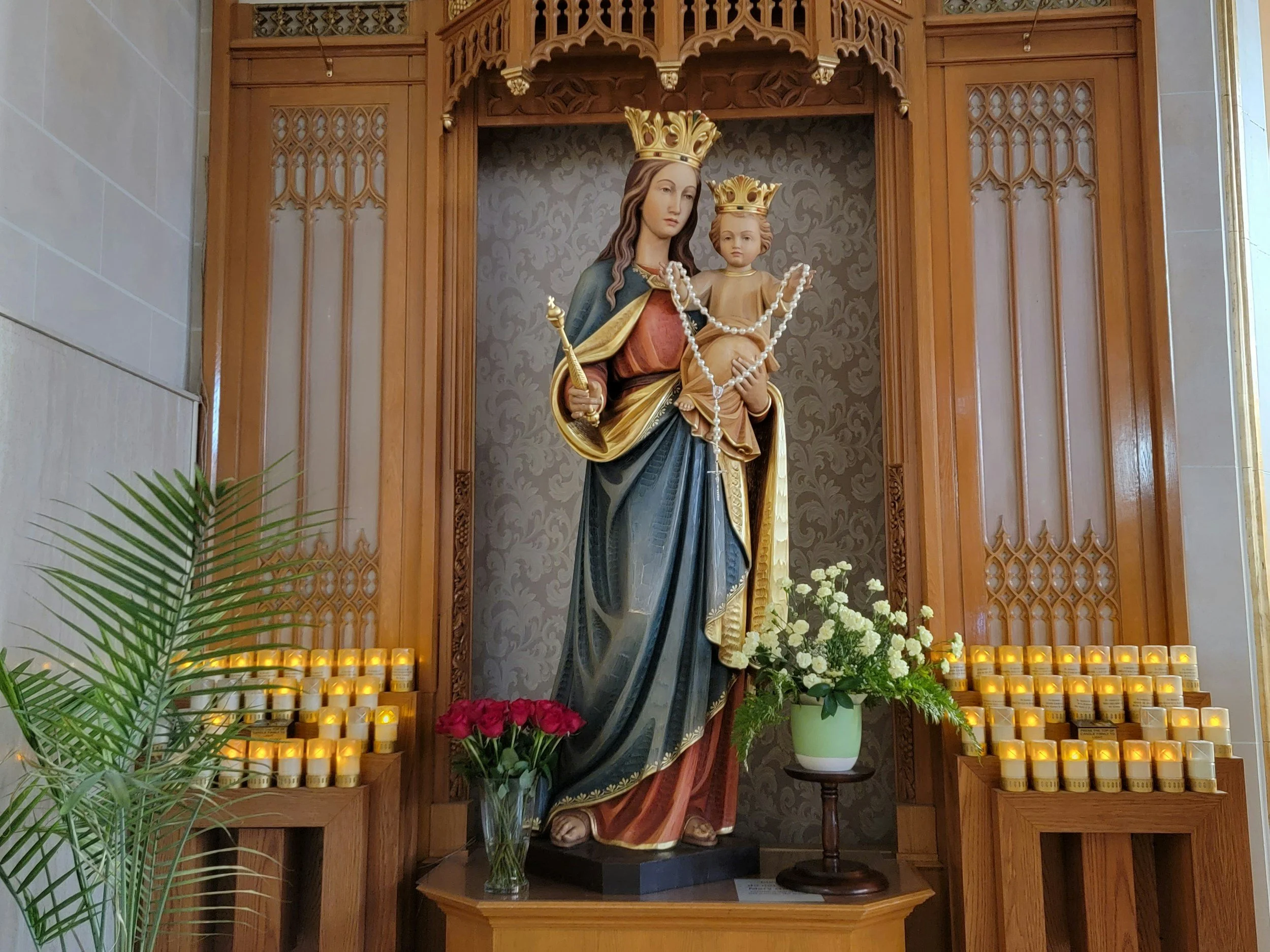
One question I get a lot as a Catholic, and especially as a convert, is: what’s with all the statues? People notice them in churches, on street corners, in homes, or during processions that fill the air with flowers, incense, and music. For many, especially those outside the faith, it can look like idol worship, and I get why that confusion happens.
But in truth, Catholic statues aren’t idols; they’re reminders.
A bit of history
The use of religious art goes back thousands of years. Even in the Old Testament, God instructed Moses to craft images for worship, like the cherubim on the Ark of the Covenant (Exodus 25:18-20) and the bronze serpent that brought healing (Numbers 21:8-9). These weren’t false gods; they were physical signs pointing to divine realities.
When Christianity spread, early believers continued this practice. In a world without printed Bibles, statues and icons were how ordinary people saw the Gospel, how they learned the stories of Jesus, Mary, and the saints. Art became a way to pray with the eyes and to remember heaven’s closeness.
Why are statues so central in Latinx culture?
For Latinx Catholics, statues are more than decoration; they’re family. Every home seems to have a small altar, maybe Our Lady of Guadalupe surrounded by roses, or St. Joseph near the front door. These images are part of daily life, grounding faith in the rhythm of home, work, and community.
Processions, where entire towns carry statues through the streets, are a living symbol of that love. It’s not about worshiping the object; it’s about honoring the presence it represents. The statue is a vessel of memory, tradition, and collective faith.
Why do we still keep them today?
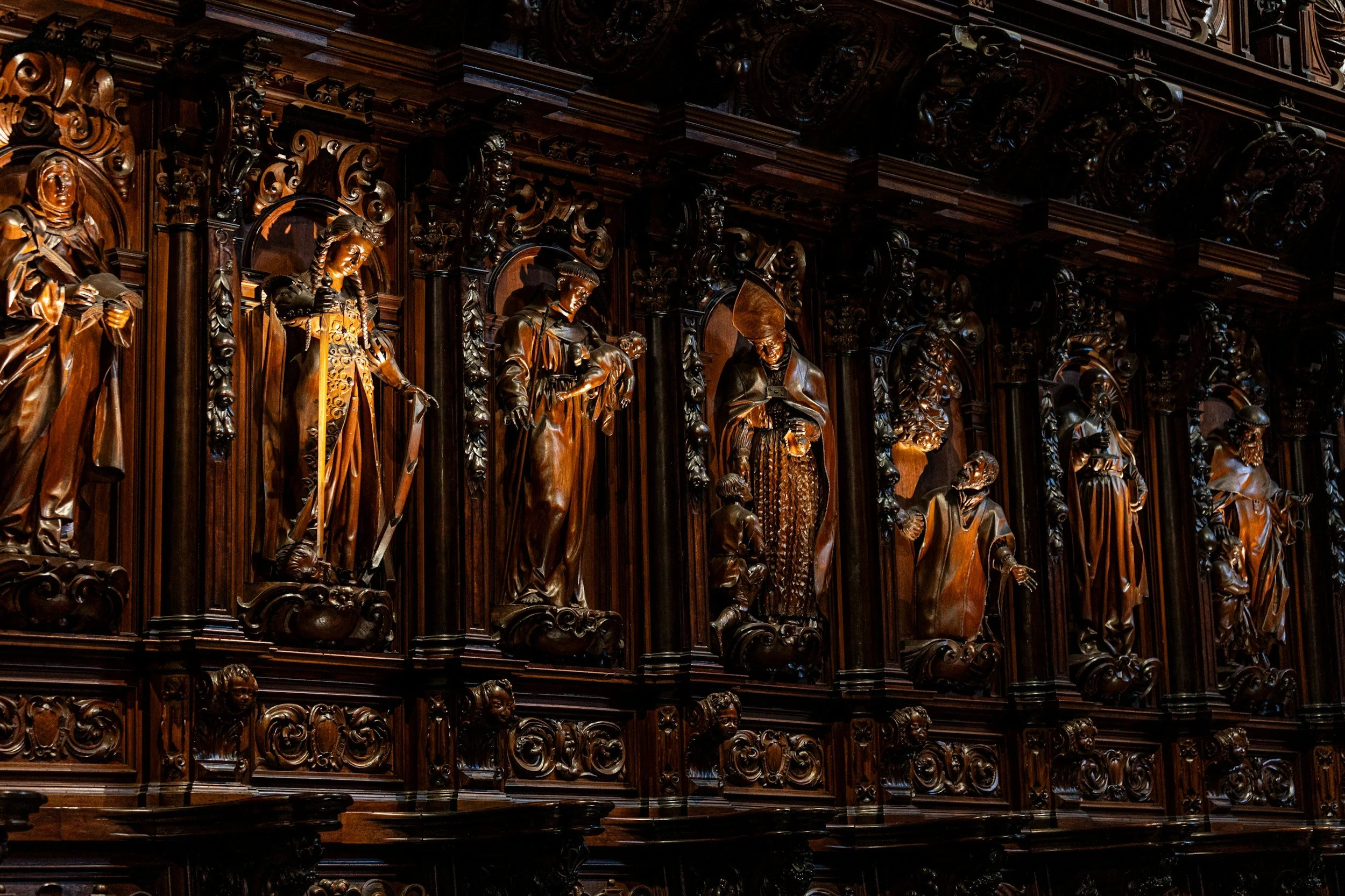
In a digital world, statues invite us to pause. They draw our attention back to something eternal. Looking at a statue of Mary, for example, reminds us of her compassion and trust in God. A crucifix reminds us of love carried to its ultimate sacrifice.
Just as a photograph reminds you of someone you love, a statue keeps the presence of heaven close. We don’t worship marble or paint; we honor God and the saints that those figures point to.
A note for the curious
You don’t have to be Catholic to appreciate the beauty of this tradition. These statues tell stories of faith, struggle, and endurance across centuries and continents. For Latinx culture especially, they’re a link between the sacred and the everyday, between ancestors and the present moment.
So next time you see a Catholic statue, maybe in a church or during a festival parade, think of it less as a relic and more as a conversation. Between earth and heaven, between art and prayer, between us and God.