Intro to Herbal Living
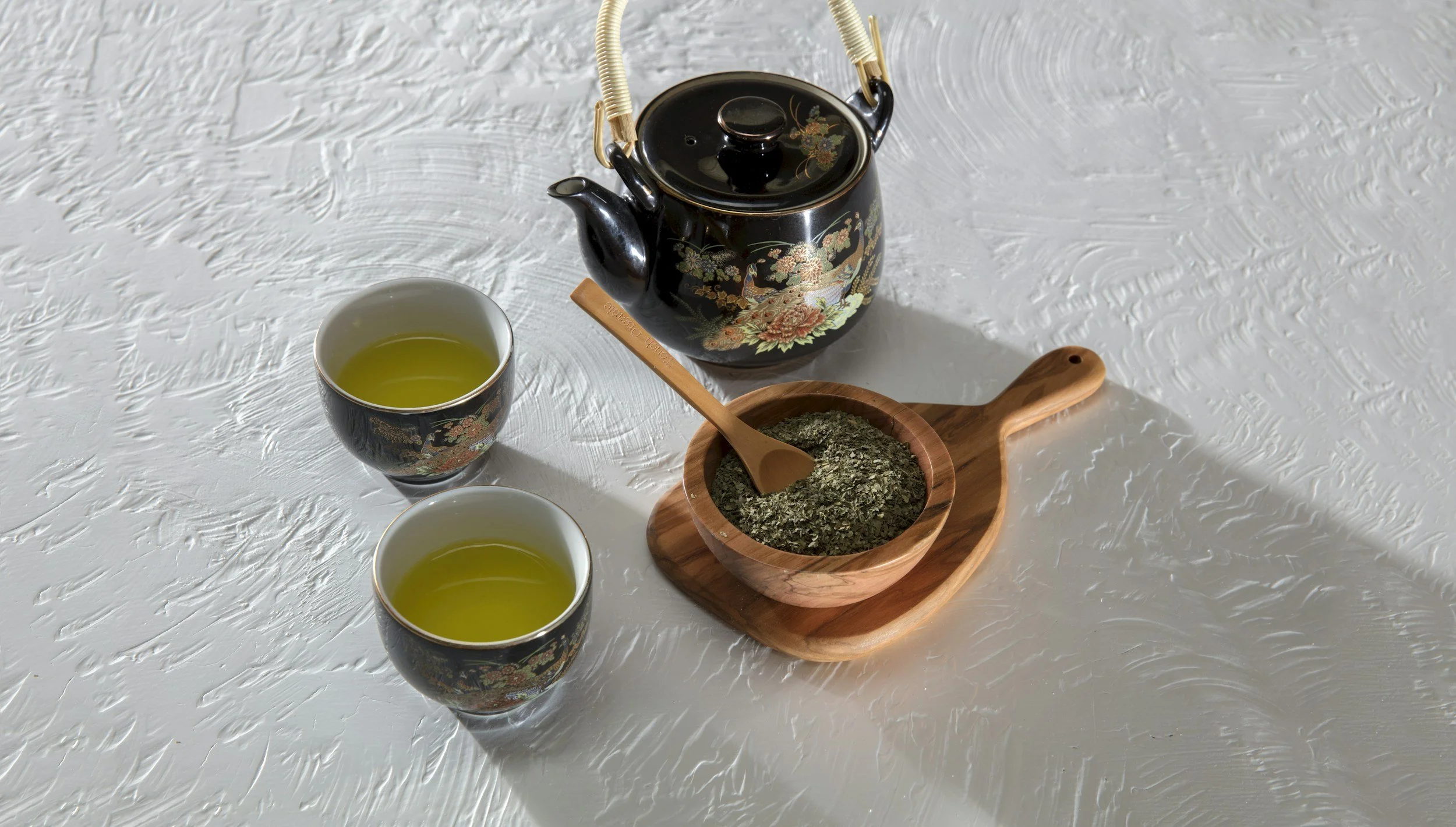
Herbalism has been part of my life for as long as I can remember. Growing up, I was surrounded by the wisdom of my heritage, my father, proud of his Inca roots, and my Brazilian mother, who always lived a health-conscious, wellness-focused lifestyle. For me, herbs weren’t a trend, a ritual, or even something I considered “special.” They were simply how we lived. From teas to the herbs in our meals, herbalism shaped my everyday life in a way that felt natural and organic.
Now, as I work on Sinchi Vida, my brand and space for sharing herbal living, I want to bring this philosophy to you. Herbalism isn’t just about a cup of tea or a pretty Instagram post, though I love the beauty and creativity of the wellness aesthetic. It’s about living intentionally, creating nourishing rituals, and integrating herbs into every part of your day.
Herbalism in Everyday Life
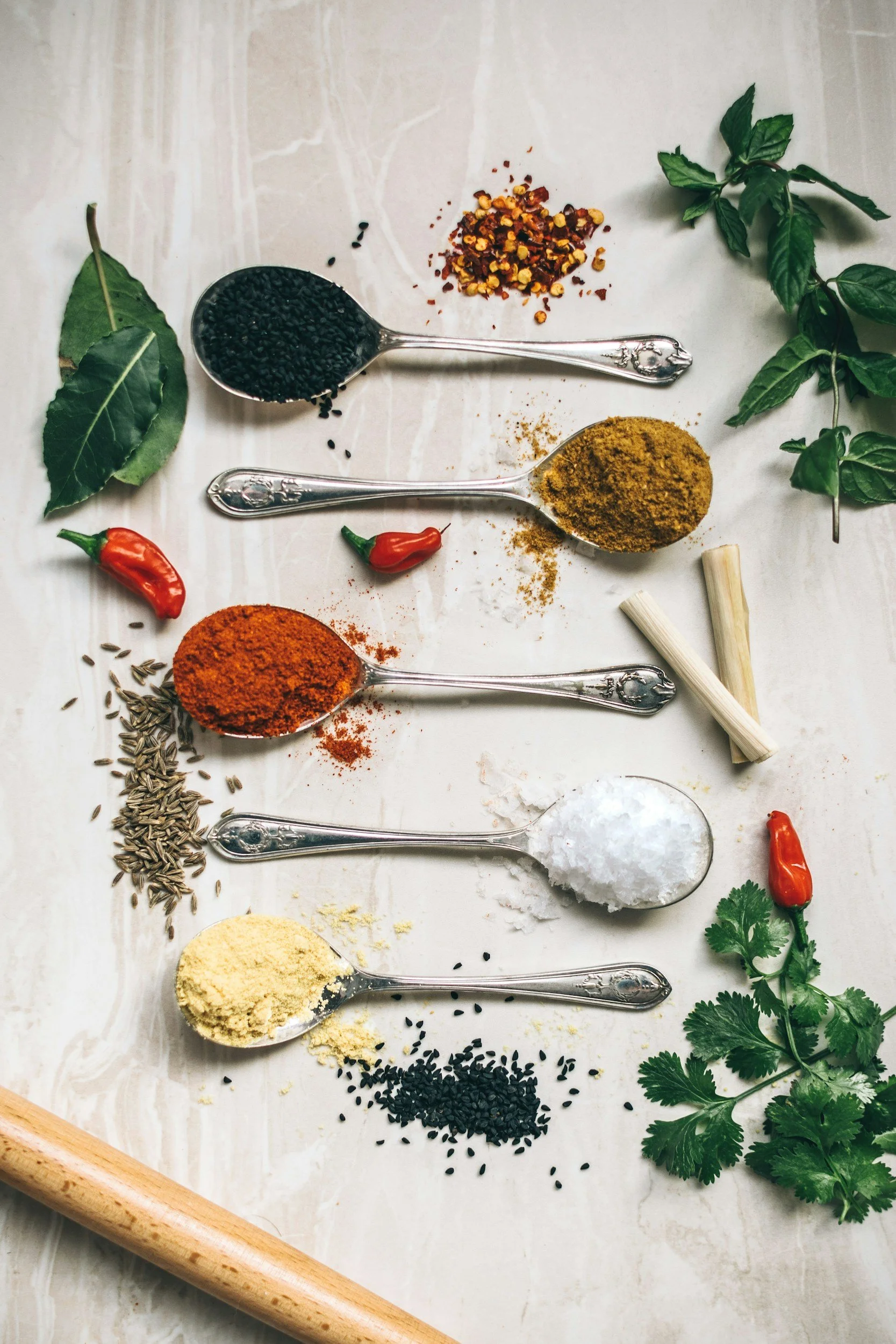
Herbalism starts in the kitchen. Every meal is an opportunity to connect with plants, whether through teas, tinctures, or simply the herbs you use to season your food. Cumin in your soup, cilantro in your salad, paprika on your roasted vegetables, all of these are herbal practices. You don’t need to be a certified herbalist to live this lifestyle; it’s about being intentional with the plants you consume and the rituals you create.
When I was 12, I began exploring herbalism as a practice—not just a lifestyle inherited from my family. Since then, I’ve learned from elders, studied formally, and observed how herbal wisdom can gently support the body, mind, and spirit. For me, herbalism isn’t just about remedies—it’s about integrating wellness into your everyday choices.
Beyond the Kitchen
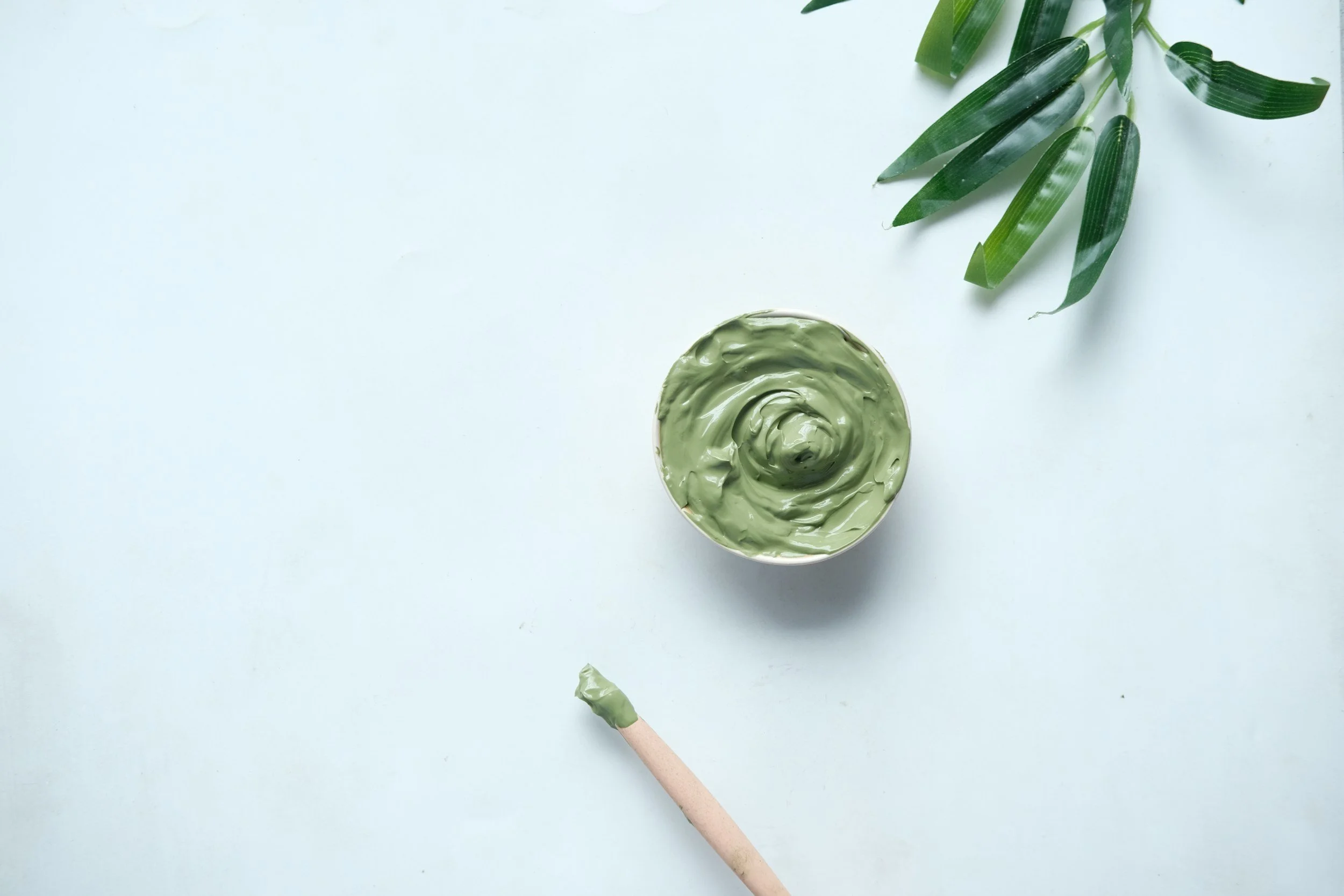
Herbalism isn’t limited to teas or tinctures. It extends to the products you use on your body: lotions with lavender or calendula, facial washes infused with herbs, or even adding adaptogens like ashwagandha and maca into your daily supplements. Herbalism is a holistic lifestyle, touching food, self-care, and mindful habits.
A Balanced Approach
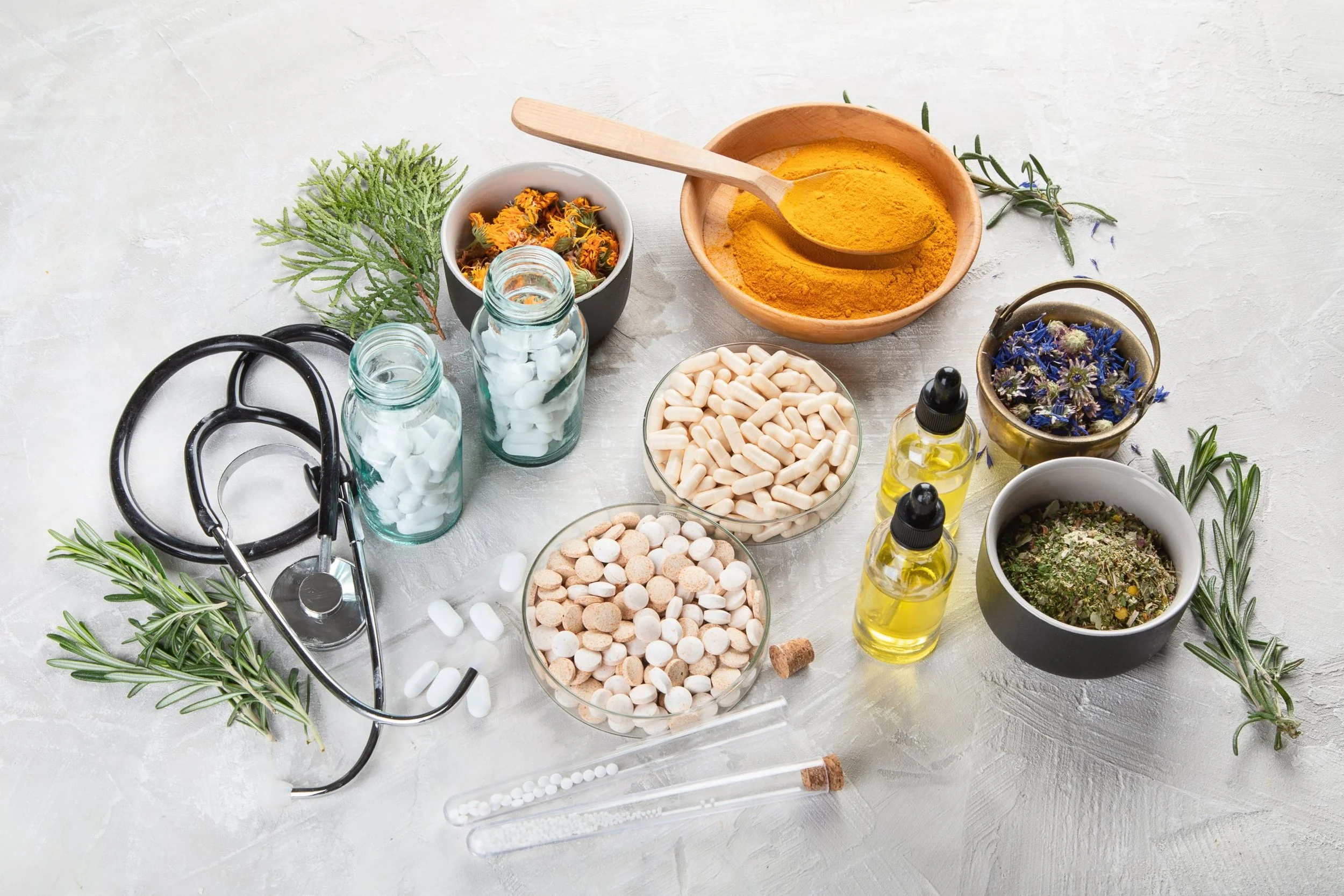
It’s important to remember that herbalism is not a replacement for modern medicine. Herbs can support wellness and help maintain balance, but for chronic illnesses or serious medical conditions, always consult your healthcare provider. The best results often come from integrating both herbal and Western practices, using herbs to support your health while seeking professional medical care when needed.
Community and Learning
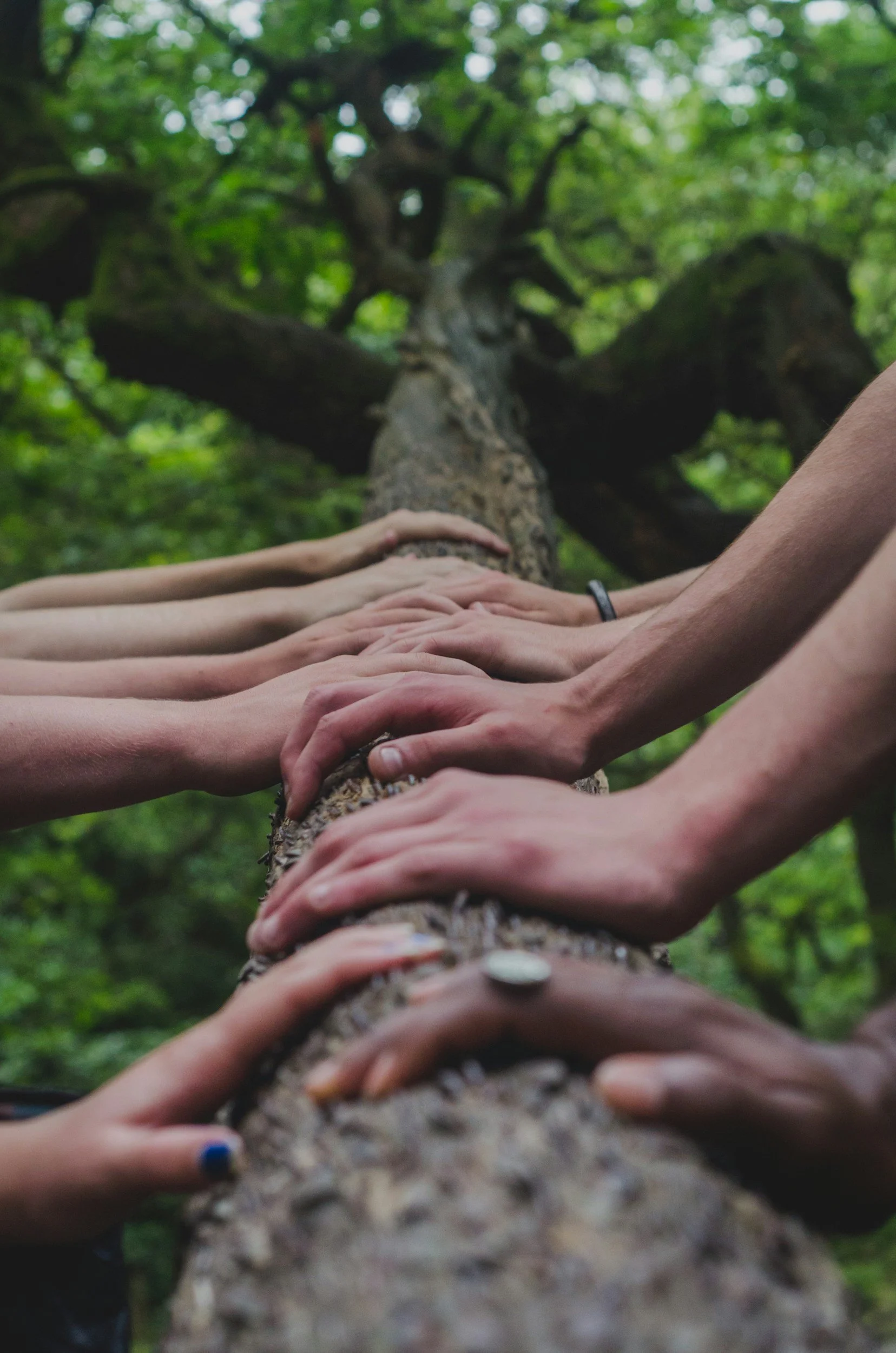
One of the most rewarding parts of herbalism is the community around it. Share what you know, learn from others, and explore the wisdom of elders. Even if you’re just starting, the smallest steps—like incorporating herbs into your meals or skincare are part of building a holistic, intentional lifestyle.
Bringing Sinchi Vida to You
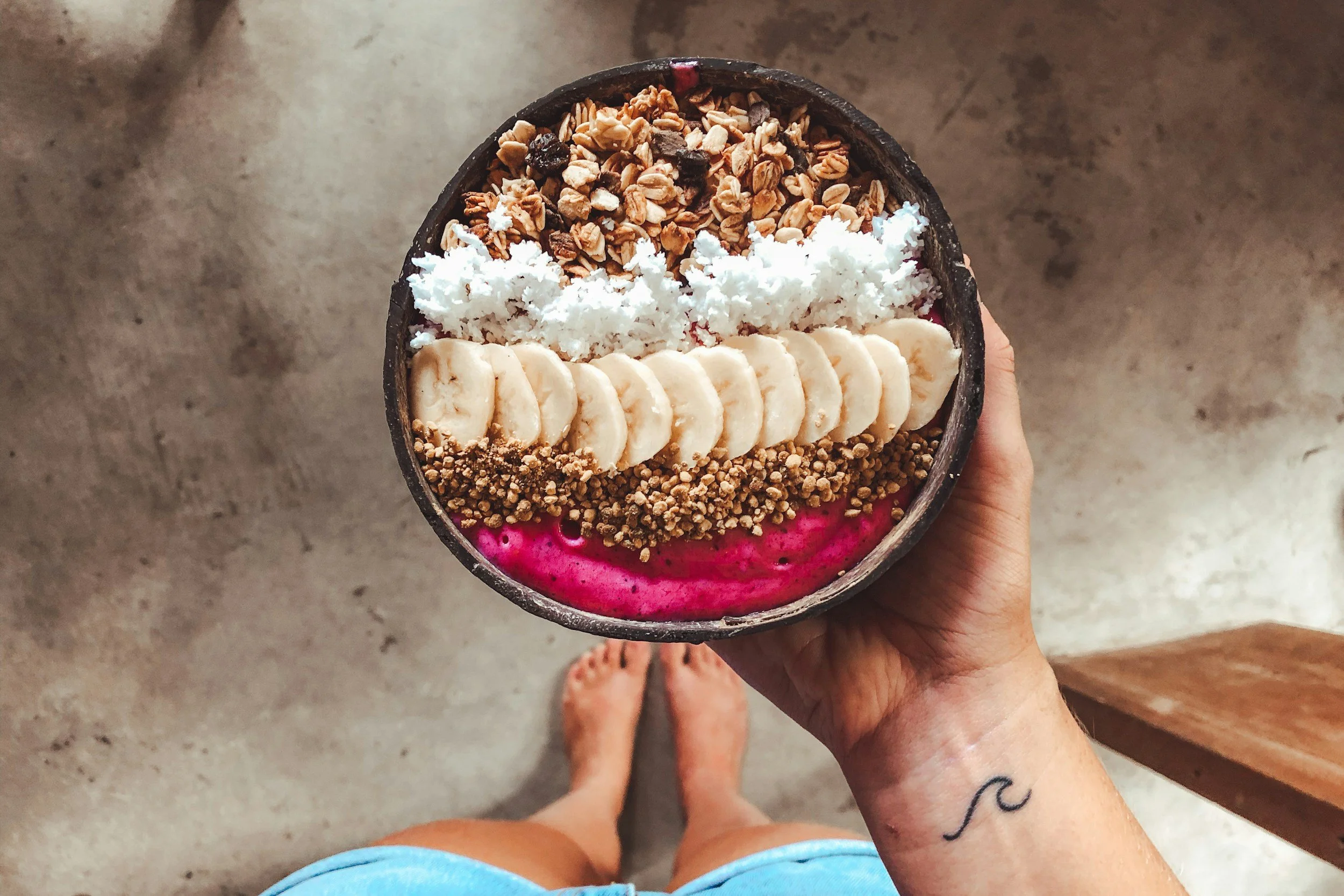
Through Sinchi Vida, I aim to bring herbalism into your kitchen, your home, and your life. From thoughtfully crafted teas to inspiration for simple herbal practices, my goal is to make this lifestyle accessible, enjoyable, and integrated into your everyday routine.
Herbalism is more than a hobby; it’s a way of living, a philosophy of care, and a connection to the plants that nurture us every day.